
frosted glass manufacturer
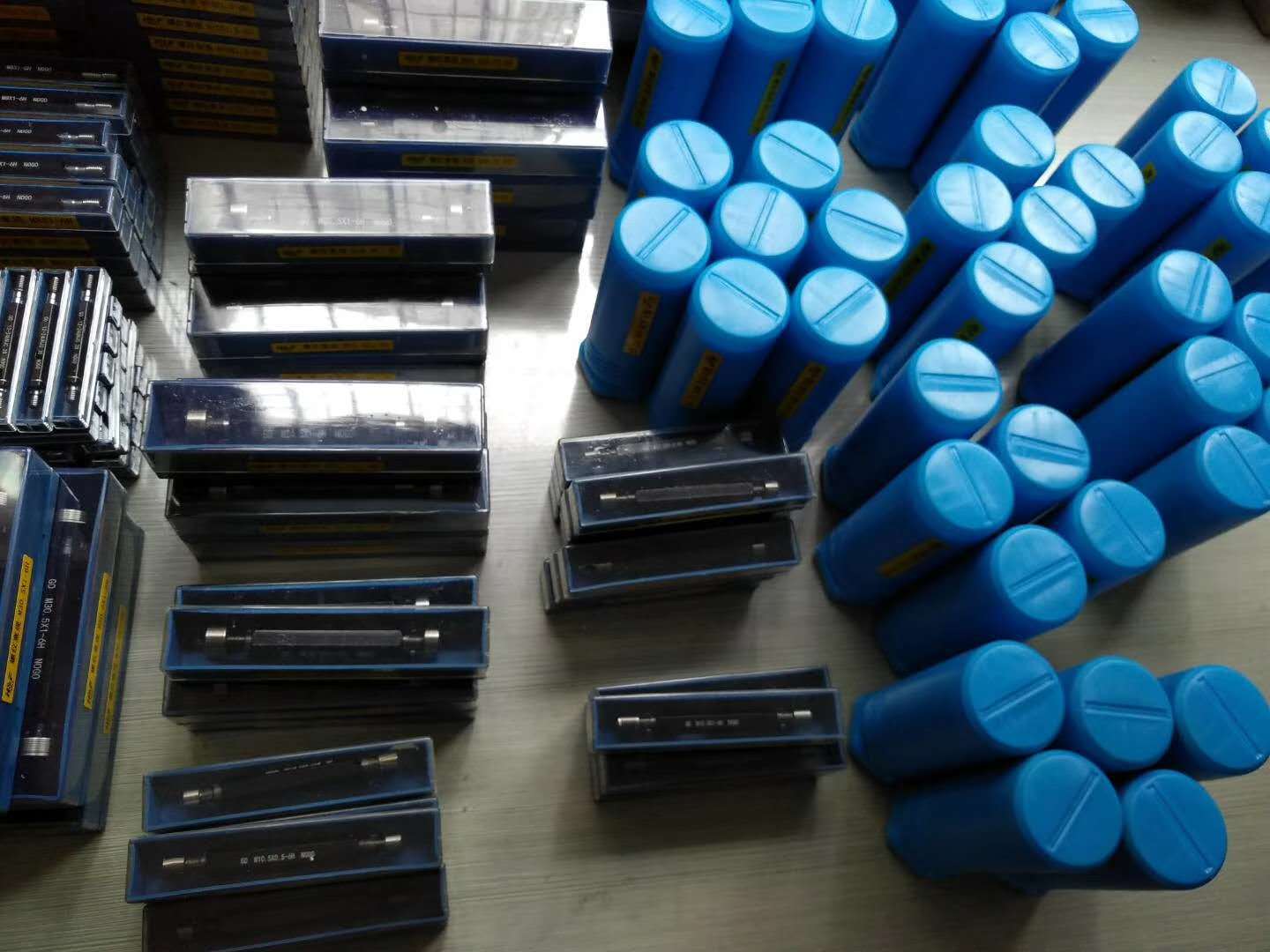
Understanding the 6G Thread Gauge Precision in Engineering In the world of engineering and manufacturing, precision is paramount, particularly when it comes to threading. The 6G thread gauge stands out as a critical tool designed for ensuring that threaded components meet exact specifications. This article delves into the significance of the 6G thread gauge, its applications, and the standards that govern its use. Understanding the 6G Thread Gauge Precision in Engineering One of the key features of the 6G thread gauge is that it allows for the measurement of both external and internal threads. This dual capability is crucial for ensuring that mating components exhibit the requisite alignments and fit. The gauge itself is designed with precision in mind, often made with high-quality materials that can endure the rigors of repeated use in manufacturing environments. 6g thread gauge The applications of the 6G thread gauge are vast, spanning industries such as aerospace, automotive, and heavy machinery. In these sectors, the integrity of threaded connections can significantly impact the safety and performance of the final product. For instance, in aerospace applications, the failure of a threaded joint could have catastrophic consequences. As such, utilizing a 6G thread gauge helps engineers verify that every component meets stringent safety and performance standards. Moreover, the 6G classification adheres to widely accepted standards set forth by organizations such as the American National Standards Institute (ANSI) and the International Organization for Standardization (ISO). These standards provide a framework for consistency and reliability across manufacturing processes, ensuring that parts produced globally can be interchanged without issues. In summary, the 6G thread gauge is an indispensable tool in modern engineering, offering a reliable means of measuring the accuracy of threaded components. Its application across various fields underscores its importance in maintaining quality and safety standards. By adhering to established guidelines and utilizing precision instruments such as the 6G thread gauge, manufacturers can ensure that their products are not only functional but also safe for end-users. In an increasingly competitive market, such attention to detail can set companies apart and drive innovation. As technology continues to evolve, the role of thread gauges will remain vital in the pursuit of excellence in engineering.
about
frosted glass manufacturer
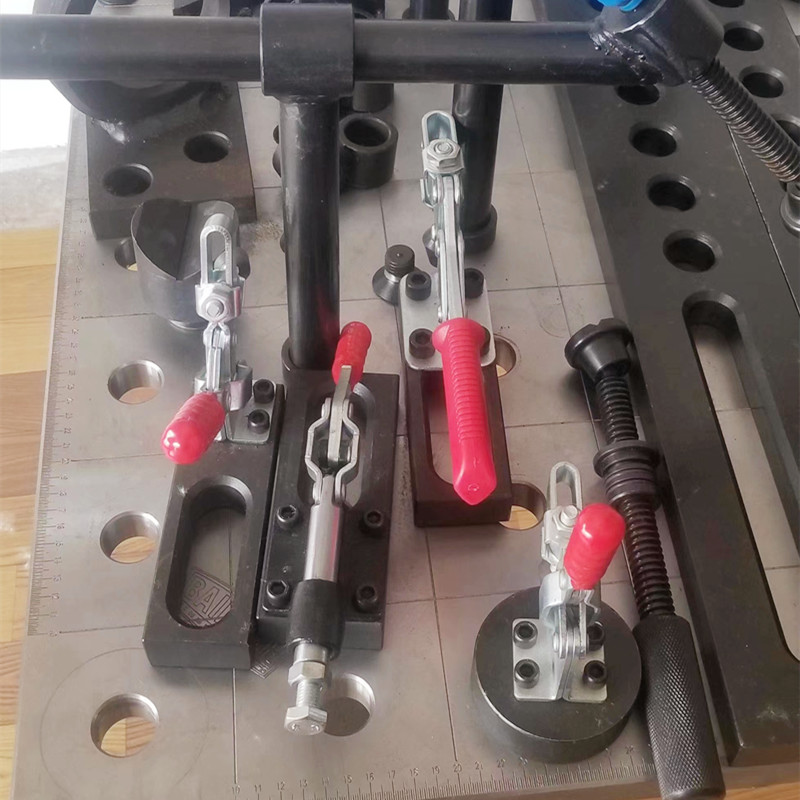
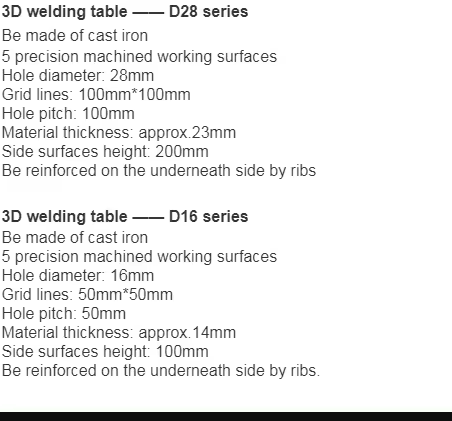
Understanding Steel Fabrication A Comprehensive Overview Steel fabrication is a crucial process in construction and manufacturing, involving the transformation of raw steel into a final product that meets specific requirements. This process encompasses several steps, and understanding the fabrication table is essential for professionals in the industry. At its core, steel fabrication involves cutting, bending, welding, and assembling steel components to create structures or parts. The fabrication table serves as a blueprint or reference guide that outlines various aspects of steel components, including dimensions, tolerances, material specifications, and finishing requirements. This detailed information helps ensure that every piece fits perfectly and performs its intended function within a larger assembly. Understanding Steel Fabrication A Comprehensive Overview The dimensions and tolerances listed in a fabrication table are equally important. Precise measurements are critical in steel fabrication to ensure that components fit together correctly. Tolerances define acceptable variations from specified dimensions, allowing for variations that inevitably occur during cutting, bending, or welding. A well-defined tolerance ensures that the final product meets engineering standards and functions correctly. steel fabrication table Welding is another vital part of the steel fabrication process. The fabrication table often includes welding specifications, detailing the type of welds to be used, the welding techniques, and the filler materials. These specifications help ensure that the joints created between steel components are strong and reliable. Different industries may require specific welding standards, making it essential for fabricators to adhere to guidelines such as those from the American Welding Society (AWS). In addition to these components, the fabrication table may also include information on surface finishes. Depending on the intended use of the steel product, finishing treatments like galvanizing, painting, or powder coating may be necessary to enhance corrosion resistance or aesthetic appeal. These treatments not only protect the steel but can also extend its lifespan in demanding environments. Finally, the fabrication table may outline the quality control measures that need to be implemented during the fabrication process. This includes inspections at various stages of production to ensure that the steel components meet the specified standards and tolerances. Quality assurance is vital in preventing costly errors and ensuring the safety and reliability of the final structure. In conclusion, the steel fabrication table is an essential tool for professionals in the industry. By understanding the various elements it encompasses—from material specifications to quality control—fabricators can ensure that their products meet both the functional and regulatory requirements of their projects, ultimately contributing to the success of the construction and manufacturing sectors. With the ever-evolving technological landscape, staying updated on fabrication practices and standards will be crucial for future innovations in steel fabrication.
-

High quality industrial productsagement

High quality industrial products
View Details -

Meet the diverse needs of customers

Meet the diverse needs of customers
View Details -

Strict quality control

Strict quality control
View Details -

Top raw materials

Top raw materials
View Details -

Trusted supplier

Trusted supplier
View Details
Our application
news and information

Valve China - Leading Provider of Valve Solutions
Valve China A Gateway to Industrial Innovation Valve China has emerged as a pivotal player in the gl

Versatile 4x6 Welding Table for Efficient Metal Fabrication and DIY Projects
Enhancing Your Workshop with a 4x6 Welding Table When it comes to welding, having the right workspac
Welding Workbench for 4x8 Projects A Sturdy and Versatile Solution for Fabrication Work
Welding is a crucial process in the manufacturing industry, and having the right equipment is essent
 English